
Sardinia’s geographical seclusion and economic challenges have contributed to the preservation of a uniquely distinct regional cuisine within Italy. Until relatively recently, many Sardinians lacked the means to import food from other regions, resulting in a culinary landscape devoid of typical Italian staples. Instead, they relied on the creative use of locally sourced, simple ingredients. This has led to a rich and varied menu featuring items that are exclusive to the island, such as the delicate ‘music sheet’ bread, dumplings infused with saffron, suckling pig enveloped in fragrant leaves and slow-cooked in makeshift underground ovens, and a digestive liqueur crafted from myrtle berries, among others.
Despite being surrounded by water, a significant portion of Sardinia’s signature dishes is centered around meat. However, as various invaders, immigrants, and tourists have influenced the island over time, Sardinia has embraced external culinary traditions and recognized the delectable possibilities of its marine offerings. This includes dishes like spicy Catalan lobster, mullet roe served over clams and mussels, and some of the most coveted tuna in the world. Consequently, seafood restaurants have flourished, particularly along the coastal areas.
While it is certainly possible to find pizza, lasagna, ethnic eateries, and Irish pubs in Sardinia’s major cities, those who are discerning and willing to explore will discover the island’s authentic specialties.
Antipasti
Sardinian antipasti serve as a lighter introduction to the forthcoming courses; however, due to their generous portions, they can easily constitute a complete meal. The most prevalent starters include verdure miste (mixed vegetables) and antipasto di terra, which features an assortment of salted sausage, salame, and prosciutto, accompanied by Sardinian breads and cheeses, typically presented on a tray made of cork bark.
One of Sardinia’s most renowned seafood delicacies, Cabras’ bottarga (mullet roe), is served in thin slices, drizzled with oil, and placed on bread. Additionally, buccinis (molluscs) and arselle (clams) are often prepared in a broth enriched with parsley and lemon. In the vicinity of Cagliari, ricci (sea urchin) and burrida (a dogfish stew with hazelnuts) are also favored dishes.
Bread
A Sardinian meal is incomplete without bread, which comes in numerous varieties. Each village has its own unique version, with additional loaves prepared for special occasions.
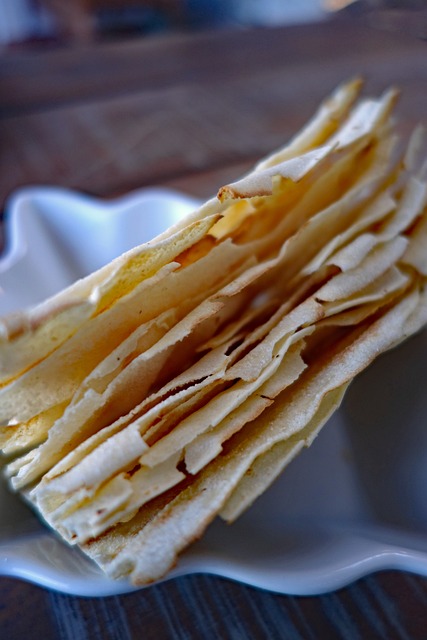
The most renowned type is pane carasau, often referred to as carta da musica (music sheet) bread due to its extremely thin texture, not exceeding three millimeters in thickness. When dipped in olive oil and sprinkled with salt, it transforms into pane guttiau. Another notable variety is pane pistoccu, a thicker, rectangular bread that is slightly harder, traditionally enjoyed by shepherds from the Sarrabus and Ogliastra regions.
Pane civraxiu is among the island’s most favored breads, characterized by its round shape and dark, thick crust, making it ideal for scooping up leftovers. In the areas of Ozieri and Gallura, pane spianada is a light, circular loaf that was once ornately decorated for feasts but is now a staple in daily consumption.
Cheese
Sardinia’s relationship with pecorino is akin to Naples’ association with pizza and Parma’s connection to prosciutto. The island is responsible for producing 80% of Italy’s pecorino cheese and is home to three varieties that hold the DOP (Denominazione d’origine protetta) designation. The most renowned of these is Fiore sardo, a cheese crafted by shepherds long before the construction of nuraghi. It is made from whole sheep’s milk and aged for a period of four to six months in a humid environment, often imparted with a smoky flavor from herbs. Pecorino sardo is available in two main forms: dolce (sweet), which can be consumed one month post-production, and maturo (mature), which requires aging for a duration of two to twelve months. Additionally, pecorino romano, although originally from Lazio, is now predominantly produced in Sardinia.

Ricotta stands out as one of Sardinia’s most celebrated and nutritious creamy cheeses, derived from goat, sheep, or cow’s milk. The three prevalent varieties include gentile, which is sweet and unaged, salata (salted), and mustìa, which is characterized by its dry and smoked texture.
Pasta and first courses
Saffron, a key ingredient in many of Sardinia’s unique primi piatti, is primarily cultivated in the vicinity of San Gavino Monreale in the southern Campidano region. This fragrant spice is integral to two of Sardinia’s most traditional first courses: malloreddus, which are thumb-rolled dumplings with a ridged texture, typically served alla campidanese with sausage, tomato sauce, and grated pecorino, and fregola (or fregula), small, round grains resembling couscous, best enjoyed with a sauce featuring mussels or clams.
Culurgiones are hand-rolled, oblong ravioli. In the Ogliastra area, they are filled with a mixture of potatoes and mint; in the southern regions, they contain cheese, enhanced with olive oil and topped with crushed walnuts; while in Gallura, they are sweetened with sugar and infused with lemon within a ricotta filling.
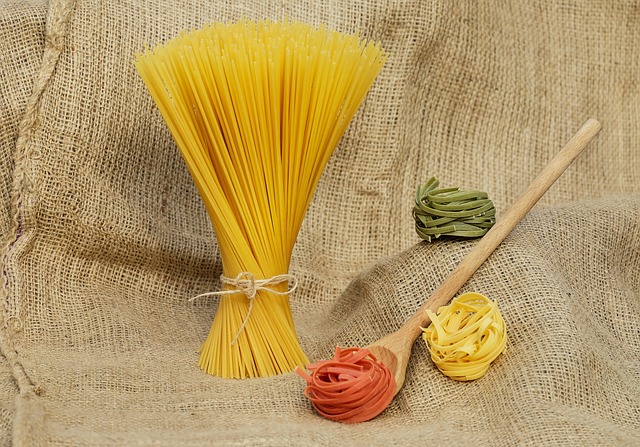
Maccarones de busa, prevalent around Nuoro, are created by piercing semolina dough with metal wire, allowing it to absorb the accompanying ricotta, garlic, and tomato sauce.
Other notable dishes include panadas, introduced by the Spanish, which are fried pastries filled with beef, pork, boar, or eel, particularly favored in Gallura, and cascà, a couscous variation influenced by Ligurian and North African cuisines, served in Calasetta and Carloforte. Additionally, Gallura’s zuppa gallurese (or suppa cuata) is a delightful dish made by baking bread with fennel, parsley, mint, basil, and pecorino in sheep’s broth.
Meat
The Sardinian culinary landscape is predominantly characterized by meat dishes. The island’s most renowned offering is porcheddu, a delicacy featuring a suckling pig that is expertly spit-roasted over ilex embers, enhanced by a layer of lard. In the more rural areas, traditionalists continue to employ age-old methods by excavating a makeshift oven in the ground, wrapping the piglet in leaves and myrtle berries for cooking, reminiscent of the practices of historical bandits.
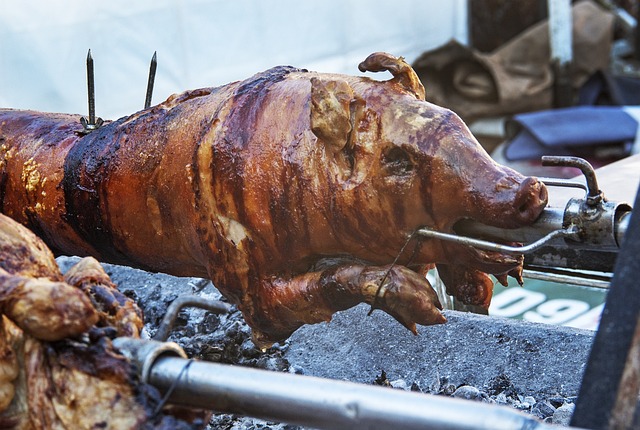
Lamb (agnello) and goat (capretto) are frequently prepared with garlic, parsley, and various herbs, or transformed into stufato, a hearty winter casserole that includes saffron, artichokes, eggs, and red wine. If you find yourself in Montiferru, do not miss the opportunity to savor the local bue rosso braised steaks, which are among the most delectable varieties in the Mediterranean region. Additionally, you may encounter bistecca di cavallo/asino, which consists of horse or donkey steak drizzled with oil and parsley. Wild boar (cinghiale) is a common ingredient in meat ragù sauces and is particularly fresh during the autumn and winter hunting seasons.
Fish and seafood
The finest seafood can be discovered in the regions surrounding Cagliari, Alghero, Carloforte, and the Sinis Peninsula. From March to August, aragosta, or spiny rock lobster, is a popular delicacy in Alghero, typically prepared alla catalana with olive oil, tomatoes, lemon, and a hint of spicy herbs. The Sinis Peninsula is renowned for its smoked muggine, also known as cefalo or mullet, which is used to create bottarga, a type of fish roe. Meanwhile, residents of Cagliari enjoy burrida and ricci, or sea urchin pulp, at Poetto beach during the winter months. Carloforte stands out as one of the Mediterranean’s key tuna capitals, offering its esteemed catch in a variety of preparations, particularly at the beginning of summer.
Desserts
The Sardinians have refined a distinctive approach to desserts, opting for a balanced blend of eggs, honey, almonds, fruit, and ricotta, rather than the excessive sugar often found in other Italian confections. A popular dessert in restaurants is sebadas (or seadas), which consists of a pastry filled with ricotta cheese, fried to perfection, and drizzled with honey. Another notable treat is pardulas, fluffy cakes made from a fresh ricotta base infused with saffron and orange peel. Amaretti are delightful almond biscuits crafted from eggs and sugar, while gueffus consist of a mixture of almonds, eggs, and lemon peel, shaped into balls. Additionally, torrone, a type of nougat originating from Tonara, is frequently available at local festivals.
How to eat like a local
Sardinians have embraced a breakfast style reminiscent of the mainland, characterized by a quick, sugar-laden start to the day accompanied by caffeine. Most hotels, bed and breakfasts, and agriturismi provide a selection of meats and cheeses to cater to their guests’ preferences; however, locals typically refrain from consuming such substantial meals before noon. Instead, Sardinians frequent bars or cafés, where they usually opt for a pastry or cornetto, paired with a cappuccino, which is considered strictly a breakfast beverage.
Lunch, or pranzo, is generally enjoyed between 1:00 PM and 2:00 PM, with diners often lingering at the table during a leisurely afternoon siesta. When dining out, locals may select a main course, a contorno (side dish) or insalata, along with a drink, with total costs ranging from €15 to €25. Dinner, known as cena, is served between 8:00 PM and 10:00 PM and typically consists of multiple courses, including a variety of mixed antipasti with bread and cheese, a primo of pasta or seafood, a secondo of meat or fish, and a contorno or dolce. The price for dinner can vary from €30 to €50, depending on the number of courses chosen. While most Sardinians would not combine seafood with meat, they are generally unbothered if others do. The meal concludes with a digestivo and a toast (“Cin-cin”), which involves making eye contact with your companion while clinking glasses, followed by the customary passeggiata.
Wine
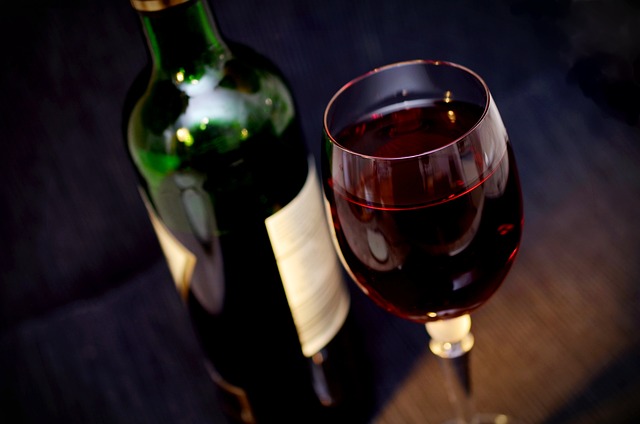
Sardinia’s wines have historically been known for their ability to surprise and overwhelm unprepared visitors. The Italian poet Gabrielle D’Annunzio expressed his admiration for the island’s wines during a spirited drinking session, while wine critic Hugh Johnson referred to them as suitable for the “supermen [who constructed the nuraghi].” However, since the 1990s, vineyards in Sardinia have begun to blend local grape varieties, resulting in a reduction of their traditionally high alcohol levels and a smoothing of their more intense characteristics. This evolution has led to the creation of refined blends that have received prestigious accolades within Italy. Below is a compilation of the island’s finest grape varieties, along with recommendations for budget-friendly bottles that can be found in most supermarkets.
Red wines
Cannonau is a robust ruby red wine, renowned as Sardinia’s most celebrated red variety. It was brought to the island by the Spanish in the 13th century, and its full-bodied character pairs exceptionally well with meats and cheeses. The Nepente di Oliena is an excellent selection, along with the Turriga and Costera varieties from Argiolas, a prominent emerging winery in Sardinia.
Monica is a drier red wine that develops a purple hue as it matures. Originally introduced by Spanish monks, it complements fruit dishes beautifully. The Karel cantina is worth a try.
Carignano, hailing from the Sulcis region, offers a sweeter option available in both red and rosé forms. The Grotta Rossa and Nur labels are both outstanding choices.
White wines
Vermintino: This is the sole DOCG (Denominazione d’origine controllata e garantita) wine from Sardinia, characterized by its crisp and dry profile, produced primarily in the Gallura region. It pairs exceptionally well with seafood and is highly regarded when sourced from Sardinia’s renowned producer, Sella & Mosca. The Argiolas variant is also of notable quality.
Nuragus: Although this fruity blend has been largely overshadowed by Vermentino, Argiolas continues to produce a commendable version.
Dessert wines
Vernaccia: This robust wine, reminiscent of sherry, pairs excellently with bottarga. It is produced in the vicinity of San Vero Milis, located in the western part of the island. Josto Puddu has recently garnered recognition for its diverse offerings.
Moscato: Crafted from Muscat grapes, this often effervescent and consistently sweet wine is typically savored on its own or accompanied by fruit. Zaccagnini’s Plaisir is particularly enjoyable.
Malvasia: Brought to the region by the Byzantines and made around Bosa, this potent, sweet wine carries a subtle note of almond. It is best enjoyed on its own or alongside shellfish, with Malvasia di Bosa being a recommended choice.
Beer and spirits
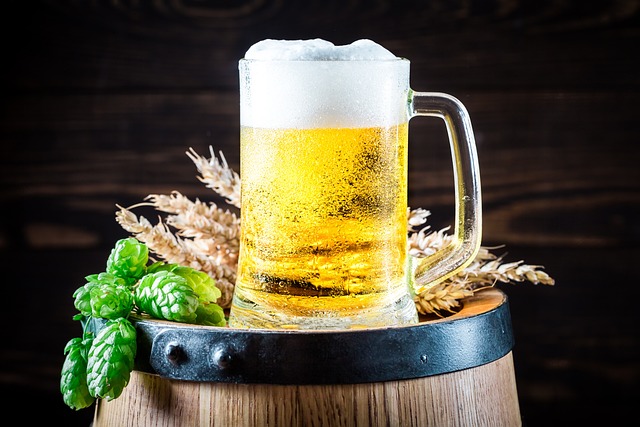
Sardinians, on average, have the highest beer consumption among all Italian regions. The preferred local beer is Ichnusa, a pale lager that is cherished by residents for both its flavor and cultural significance. For those seeking a richer taste, Jennas, also produced by Ichnusa, is an excellent option.
The most renowned after-dinner beverage is mirto, a rich purple liqueur crafted from a blend of myrtle berries, alcohol, and sugar, resulting in a flavor reminiscent of a delightful alcoholic cough syrup. It is best enjoyed chilled and served neat. Additionally, the island is known for its strong filu ’e ferru grappa, which translates to ‘iron wine.’ This spirit is made from grape skins and derives its name from the iron rod that distillers would bury in the ground during the early 20th century to evade taxation on their homemade spirits.